

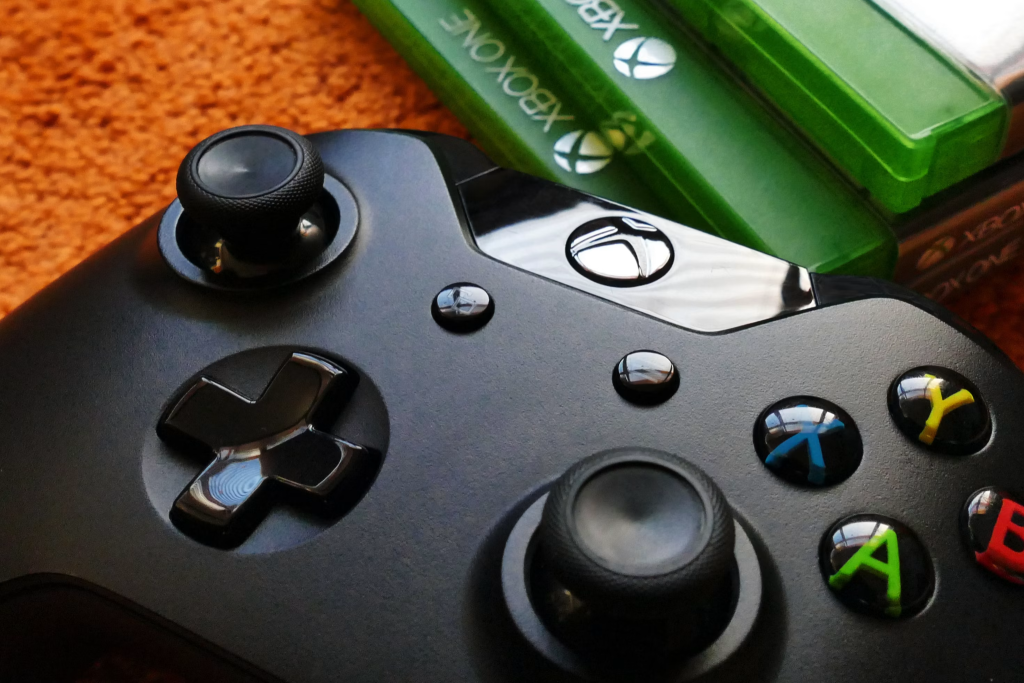
A gaming setup is often judged by the loudest parts first. Screens get attention. Graphics cards get attention. Keyboards, chairs, headsets, and flashy lighting all fight for the spotlight. Yet one of the most important pieces of the whole experience is often sitting quietly in both hands. A controller does far more than send inputs to a game. It shapes comfort, speed, rhythm, and the feeling of control from the first minute to the last.
That is why controller design matters across modern entertainment culture. Even in wider digital spaces, including platforms such as spinfin, ease of use changes the whole mood of interaction. Gaming works the same way. A controller that feels natural can make a session smoother without announcing its importance. A controller that feels awkward can ruin a good game slowly, almost invisibly, until wrists get tired, hands tense up, and every action starts to feel slightly heavier than it should.
Comfort Is Not a Small Detail
A controller is a physical object used for long periods, sometimes daily. That basic fact makes comfort impossible to ignore. The shape, weight, button resistance, trigger feel, thumbstick placement, and grip texture all affect how easily a game can be enjoyed over time. A poor design may not seem disastrous during the first ten minutes. After an hour, the story changes.
This is where gaming comfort becomes more practical than people sometimes admit. A controller has to match the body well enough to disappear from conscious thought. If fingers keep adjusting position, if shoulders tighten, or if the grip feels wrong during longer sessions, attention gets pulled away from the game itself. A player does not want to think about the controller every few seconds. A good one allows the game to stay in focus.
This matters for every type of user, not only for competitive audiences. A relaxed evening session still depends on physical ease. A device that feels too heavy, too narrow, or too stiff can turn a calm session into quiet irritation.
Performance Starts With Consistency
Comfort alone would already make controllers important, but performance adds another layer. A strong controller supports timing. Inputs feel cleaner. Movement feels more predictable. Reactions become easier to repeat. In action games, sports titles, racing games, and shooters, that consistency can shape the entire experience.
A good controller does not create skill out of thin air. Sadly, no device can fix bad decisions or save a player from chaotic strategy. Still, the right controller removes friction. Buttons respond the way fingers expect. Triggers feel measured instead of mushy. Thumbsticks track movement without that strange feeling of drift or hesitation. Small details like this matter because gaming is built on repetition. Reliable tools make repeated actions easier to trust.
What Usually Makes a Controller Feel Comfortable
- A balanced weight that does not tire the hands too quickly
- Button placement that feels natural during long sessions
- Triggers with enough resistance to feel precise
- Thumbsticks that move smoothly without looseness
- A grip texture that stays secure without feeling rough
- A shape that supports the hands without forcing tension
None of these qualities sounds dramatic on its own. Together, though, these features decide whether a controller feels like a helpful tool or an annoying object that keeps demanding attention.
Different Games Ask for Different Strengths
Not every game uses a controller in the same way. That sounds obvious, but it matters more than many buying guides admit. A racing game depends heavily on trigger control and steady steering. A fighting game asks for fast directional accuracy and reliable button response. A platformer may live or die on jump timing alone. A sports title depends on rhythm, quick combinations, and movement that feels clean under pressure.
Because of this, the “best” controller is not always universal. One design may feel perfect for adventure games and less impressive for competitive play. Another may shine in shooters but feel tiring in longer casual sessions. Personal fit matters too. Hand size, finger reach, grip style, and playing habits all influence what feels right.
That is why controller choice should be treated more seriously than a cosmetic decision. It affects the physical route between the player and the game world.
Precision Matters More Than Marketing
A lot of controller advertising focuses on appearance, premium finishes, or extra features. Some of those features are useful. Some are mostly decorations wearing an expensive price tag. The better question is usually much simpler: does the controller help inputs feel precise and repeatable?
Where a Good Controller Improves Performance Most Clearly
- Fast action games where reaction timing matters
- Sports games built on rhythm and repeated inputs
- Racing titles that rely on smooth trigger control
- Shooters that demand stable aim and movement
- Fighting games that punish missed timing quickly
- Long sessions where fatigue can damage consistency
This list explains why controller quality matters beyond comfort alone. The device is not merely being held. The device is shaping the speed and accuracy of every decision.
The Best Controllers Quietly Disappear
That may be the clearest sign of all. A strong controller does not keep reminding the player that it exists. It becomes almost invisible. The hands settle. The movements feel natural. The game responds with little resistance. That kind of design rarely gets romantic speeches, but it deserves more respect than it usually receives.
Gaming controllers still matter because they sit exactly at the point where physical action meets digital response. That role is too important to treat as secondary. A good controller improves comfort, supports consistency, and makes performance feel more stable over time. In the end, the best device is not always the loudest or the most expensive one. It is the one that lets a session feel smoother, longer, and easier to trust.
