

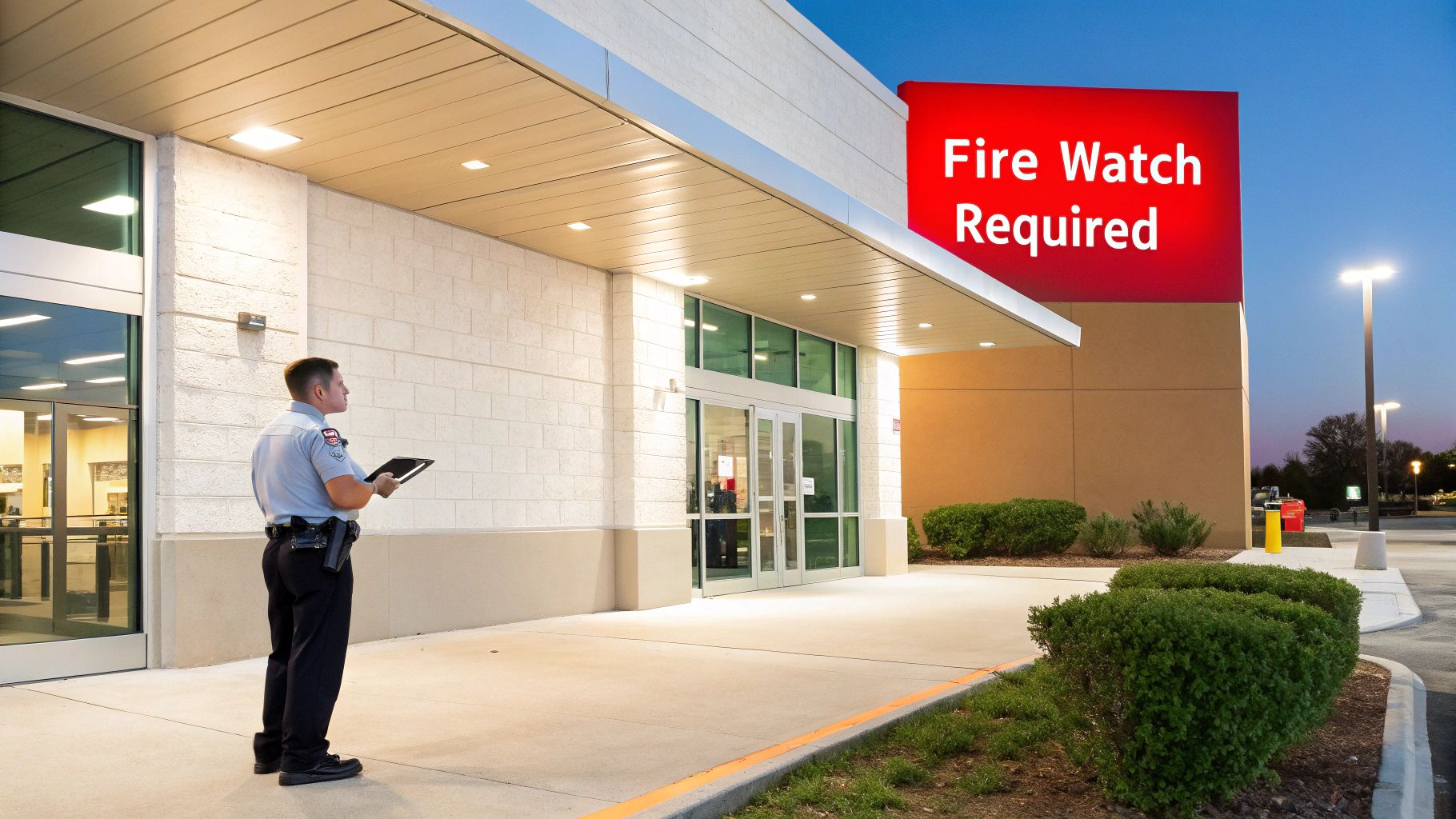
Specialized fire watch support helps keep workplace operations orderly when fire protection measures are limited. Fire watch guards remain alert around assigned areas while checking conditions throughout active work periods. Their presence supports prompt action when hazards develop quickly. Clear routines improve readiness without disrupting essential tasks. For coverage needs, 24 hour fire watch Los Angeles provides dependable protection at once.
Understanding Fire Watch Guard Responsibilities
Fire watch guards observe assigned areas throughout active work. They check hazards that could increase ignition risk. Their duties focus on observation. This presence helps staff maintain safer routines during risk periods.
- Checking assigned zones for unsafe conditions during active work.
- Watching nearby areas for smoke, heat, or unusual activity.
- Keeping required equipment accessible for prompt emergency action daily.
- Reporting changing hazards quickly through agreed contact methods consistently.
- Following established procedures throughout every assigned coverage period carefully.
Supporting Hot Work Activities
Hot work can create sparks, heat, or open flames requiring attention. Fire watch guards stay near designated areas during ignition-related tasks. They remain focused on surroundings, so hazards receive prompt attention. Proper coverage supports safer workplace operations when protection is limited.
- Checking surrounding materials before work begins during each shift.
- Remaining attentive while sparks or heat sources remain active.
- Watching nearby openings for conditions requiring immediate safety attention.
- Confirming suitable extinguishing equipment remains ready for immediate use.
- Continuing observation after active tasks have stopped for safety.
Maintaining Clear Area Awareness
Strong awareness helps guards recognize changing conditions within assigned areas. They observe storage arrangements, access routes, equipment placement, and nearby activity. Regular rounds create a pattern for checking vulnerable locations.
Observation may include blocked access points or exposed materials. Guards can note unusual heat, smoke odors, or warning signs. Their records help personnel understand each shift. Consistent attention supports decisions when conditions change.
Strengthening Emergency Response Readiness
Prepared guards help workplace teams respond confidently during unexpected events. They know assigned areas and reporting procedures while remaining ready to alert personnel. This preparation reduces confusion during quick action. Clear responsibilities keep protective measures organized with 24 hour fire watch Los Angeles support.
Guards should keep emergency contacts available throughout every shift. They should know accessible routes toward designated safe areas. Essential fire control equipment should remain reachable. Clear hazard reports help responsible personnel act without confusion.
Reducing Operational Safety Gaps
Temporary fire protection limits can create periods where added observation matters. Fire watch guards cover gaps through focused attention and prompt reporting. Their work supports operations while teams address reduced protection. This approach helps maintain workplace safety without disruption.
Coverage can adjust around changing work conditions. Guards may increase attention near active work zones during higher-risk periods. They maintain broader observation when activities become quieter.
Creating Reliable Coverage Routines
A strong routine gives guards clear structure for each coverage period. Assigned zones, reporting steps, inspection timing, and escalation procedures should remain easy to follow. Consistent routines reduce missed checks during extended duties. They help supervisors review observations and confirm coverage.
Each shift should begin with clear area assignments and known hazards. Regular rounds should follow established timing throughout coverage periods. Notable conditions should be recorded using simple wording.
Specialized fire watch support gives organizations added protection when safeguards are unavailable. Guards use structured rounds, clear reporting, and prepared response steps. Careful assignments support safer work practices while helping teams respond calmly. Strong routines give supervisors clearer oversight during temporary protection gaps. With defined duties and steady attention, operations can continue with confidence while hazards receive timely action today.
FAQ
What does a fire watch guard usually do daily?
A guard observes assigned areas, reports hazards, and supports readiness.
When is specialized fire watch support usually needed most?
It helps during impaired alarms, hot work, or protection gaps.
How does continuous coverage support safer workplace operations daily?
Steady observation helps identify hazards quickly and supports prompt reporting.
