

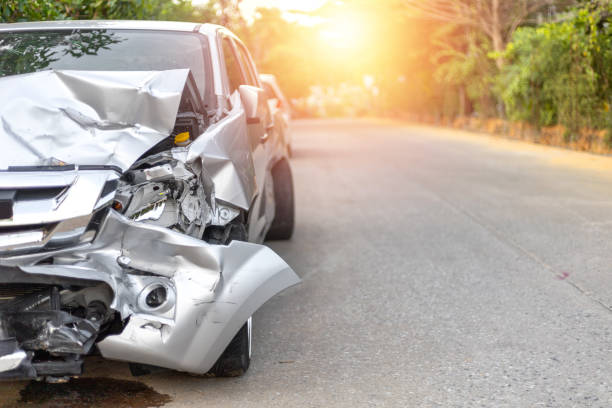
A car accident can happen in seconds, but the effects may last for weeks, months, or even years. After a collision, you may feel confused, worried, or unsure about what to do next. Knowing the right steps can help protect your health, your legal rights, and your ability to seek fair compensation.
If you were injured in a crash, a Portland Car Accident Lawyer can help you understand your options and guide you through the legal process. Oregon has specific rules for car accident claims, insurance coverage, fault, and deadlines. Taking the right actions soon after a crash can make a major difference in your case.
Whether the collision involved another passenger vehicle, a truck, a motorcycle, or a distracted driver, it is important to stay calm and focus on safety first. You should seek medical attention when needed, document the accident, exchange information, and report the crash when required. You should also be careful about what you say to insurance companies before you understand the full impact of your injuries.
This guide explains the important steps to take after a Portland car accident and how an experienced attorney may help you protect your interests.
Stay Safe and Check for Injuries After the Crash
Your first priority after a car accident should always be safety. If you are able to move safely, check yourself and your passengers for injuries. Some injuries may be obvious, such as broken bones, bleeding, or severe pain. Others may not appear until hours or even days later.
If anyone has serious injuries, call 911 and request emergency medical assistance. Do not try to move someone who may have a serious neck, back, or spinal injury unless there is an immediate danger at the crash scene. Emergency responders can evaluate injuries and help make the area safer.
If the vehicles can be moved safely and there are no serious injuries, moving them out of active traffic may help prevent another collision. However, do not put yourself at risk simply to move a damaged vehicle. Turn on hazard lights when possible and remain in a safe location while waiting for help.
Even when you feel fine after an accident, getting medical attention can be important. Some common crash injuries, including whiplash, concussions, soft-tissue injuries, and internal injuries, may not cause immediate symptoms. A medical professional can examine you and create a record of any injuries related to the collision.
You should also follow the doctor’s treatment instructions. Missing appointments or ignoring medical advice may make recovery harder and can create questions about the seriousness of your injuries in a later insurance claim.
If you are able to do so safely, take photographs of the accident scene before vehicles are moved. Pictures of vehicle damage, road conditions, traffic signs, lane markings, weather conditions, and visible injuries may become useful evidence. Try to capture several angles instead of relying on only one photograph.
You should also exchange basic information with the other driver. This may include names, contact information, driver’s license information, vehicle details, and insurance information. Avoid arguing about who caused the crash. Even if you believe the other driver was clearly responsible, fault should be determined based on evidence rather than an emotional conversation at the scene.
A Portland Car Accident Lawyer can later review the available evidence and help determine whether another driver’s negligence contributed to the collision.
Report the Accident and Gather Important Evidence
Reporting a collision can be an important part of protecting your legal and insurance interests. Depending on the circumstances, Oregon law may require a crash to be reported to law enforcement or the Oregon Department of Transportation. The exact reporting requirements can depend on factors such as injuries, death, or the amount of property damage.
If police officers respond to the scene, cooperate with them and provide accurate information. Try to explain what happened clearly without guessing about facts you do not know. If you are unsure about the speed of another vehicle or the exact distance between vehicles, it is better to say that you are unsure than to provide an inaccurate estimate.
Ask how you can obtain a copy of the police crash report. This report may contain information about the drivers, vehicles, road conditions, citations, witness statements, and the officer’s observations. While a police report can be useful evidence, it is not always the final word on legal responsibility.
Witnesses can also provide valuable information. If people saw the collision, ask for their names and contact details if it is safe and practical to do so. Independent witnesses may be able to describe what happened from a different perspective.
Your own documentation can be equally important. Keep photographs and videos from the crash scene. Save medical records, bills, prescriptions, repair estimates, insurance correspondence, and other documents connected to the accident. You may also want to keep a simple record of symptoms, medical appointments, missed work, and how your injuries affect normal activities.
Evidence can become harder to find as time passes. Vehicles may be repaired, surveillance footage may be deleted, road conditions may change, and witnesses may forget important details. For this reason, gathering information soon after the accident can be helpful.
If you believe the other driver was distracted, speeding, impaired, or otherwise negligent, tell your attorney what you observed. Do not attempt to investigate another driver yourself in a way that could create conflict or put you in danger.
A Portland Car Accident Lawyer may investigate the collision by reviewing police reports, photographs, medical records, witness accounts, vehicle damage, traffic evidence, and other relevant information. In more complicated cases, additional professionals may be used to analyze crash dynamics or the cause of an injury.
Social media can also affect an accident claim. Insurance companies may review publicly available posts for information that could contradict an injury claim. For example, a photograph showing physical activity shortly after an accident might be taken out of context and used to question the seriousness of an injury. It is generally wise to avoid posting detailed information about your accident, injuries, or claim while the matter is being handled.
Notify Your Insurance Company Carefully
After a Portland car accident, you should notify your insurance company as required by your policy. Prompt reporting can help you comply with policy requirements and begin the claims process.
However, notifying an insurer does not mean you must provide a detailed recorded statement without first understanding what is being requested. Insurance companies are businesses, and their interests may not always match yours. An adjuster may ask questions about the accident, your injuries, your medical history, or your daily activities.
Answer questions truthfully, but avoid guessing or minimizing your injuries. Saying that you are “fine” immediately after a crash may later be used to suggest that you were not injured, even though some symptoms develop later.
You should also be cautious before accepting a settlement. An early settlement offer may appear attractive when medical bills are arriving and you are unable to work. However, you may not yet know the full extent of your injuries or how long your recovery will take.
For example, a person with a serious back injury may initially expect to recover within a few weeks. If additional treatment, physical therapy, injections, surgery, or long-term care becomes necessary, the original settlement may not be enough to cover future losses.
A car accident claim may involve several types of damages. Depending on the facts of the case, compensation could potentially include medical expenses, lost wages, property damage, pain and suffering, and other accident-related losses.
Oregon’s comparative fault rules can also affect compensation. If more than one person contributed to a collision, the amount a person can recover may be affected by their share of responsibility. Determining fault can be complicated when multiple drivers, poor road conditions, defective vehicle parts, or other factors are involved.
An experienced Portland Car Accident Lawyer can review the facts of your claim, communicate with insurers, evaluate available evidence, and help you understand whether a settlement offer reasonably reflects your losses.
You should also remember that an insurance claim and a personal injury lawsuit are not the same thing. Many claims are resolved through negotiations, but litigation may become necessary when the parties cannot reach a fair agreement.
Understand Your Legal Rights and Potential Compensation
After a collision, one of the most important questions is whether you have a valid personal injury claim. The answer depends on the facts of the accident, the injuries involved, the available evidence, and Oregon law.
Negligence is a common basis for car accident claims. In general, a negligence claim may involve showing that another person failed to act with reasonable care and that this failure caused an accident and resulting damages.
Examples may include distracted driving, speeding, unsafe lane changes, following too closely, driving while impaired, or failing to obey traffic signals. However, every accident is different, and simply believing another driver was careless does not automatically establish legal liability.
Medical evidence can be especially important in an injury case. Medical records may connect your injuries to the collision and show the treatment you received. If you experience symptoms after the accident, tell your healthcare provider when they began and explain how they affect your daily life.
Financial losses should also be documented. If your injuries cause you to miss work, keep records of lost income and related employment information. If your ability to earn income in the future may be affected, additional evidence may be needed to evaluate that loss.
Pain and suffering can be more difficult to measure because they do not come with a simple invoice. The severity and duration of an injury, the impact on daily activities, emotional effects, treatment requirements, and long-term limitations may all be relevant.
Property damage is another common part of a collision claim. Keep repair estimates, photographs, towing receipts, rental car expenses, and other documents connected to vehicle damage.
In some cases, a crash may involve more than one potentially responsible party. A commercial vehicle accident, for example, may involve a driver, trucking company, vehicle owner, maintenance provider, or another party depending on the circumstances. These cases can require a deeper investigation.
Timing is also important. Oregon law imposes deadlines for filing many personal injury claims. The specific deadline can vary depending on the type of claim and the parties involved. Waiting too long may limit your ability to pursue compensation, so it is important to speak with a qualified attorney promptly if you believe you have a legal claim.
A Portland Car Accident Lawyer can explain how Oregon’s laws may apply to your situation and help you understand the potential strengths and weaknesses of your case. The goal is not simply to file a claim but to build a well-supported case based on reliable evidence.
When to Contact a Portland Car Accident Lawyer
Not every minor collision requires an attorney. However, legal guidance may be especially helpful when an accident involves serious injuries, disputed fault, significant property damage, lost income, permanent limitations, or an insurance company that refuses to offer fair compensation.
You may also want legal advice if the other driver does not have enough insurance coverage, if multiple vehicles were involved, or if the circumstances surrounding the crash are unclear.
A Portland Car Accident Lawyer can handle many of the stressful parts of an injury claim. This may include communicating with insurance adjusters, gathering evidence, reviewing medical documentation, negotiating a settlement, and preparing a lawsuit when necessary.
An attorney can also help you avoid common mistakes. These may include giving inconsistent statements, signing documents without understanding them, accepting a settlement too early, failing to document medical treatment, or overlooking important sources of evidence.
Choosing an attorney should involve more than simply searching for the first law firm you see online. Look for a lawyer who handles personal injury and car accident cases and understands Oregon law. Experience with similar cases can be valuable because different types of collisions can create different legal and insurance issues.
During an initial consultation, ask how the lawyer would approach your case, what evidence may be needed, how communication will work, and how attorney fees are handled. Many personal injury lawyers work on a contingency-fee basis, meaning their fee is generally tied to the recovery obtained, but you should confirm the specific fee agreement before hiring anyone.
The right legal approach depends on your individual circumstances. A minor rear-end collision with no injuries is very different from a crash involving a traumatic brain injury, spinal injury, permanent disability, or wrongful death.
Most importantly, remember that your health should come first. Follow your medical treatment plan, keep your records, and give yourself time to recover. Legal decisions are important, but your physical recovery should not be ignored while dealing with an insurance claim.
Taking careful steps after a Portland car accident can put you in a stronger position if you later need to seek compensation. Stay safe at the scene, obtain medical care, report the accident when required, preserve evidence, communicate carefully with insurers, and understand your legal deadlines.
Conclusion
A car accident can turn an ordinary day into a stressful and uncertain experience. Knowing what to do after the collision can help you protect your health, preserve important evidence, and make informed decisions about your claim.
Start with safety and medical care. Then document the accident, gather contact and insurance information, report the crash when required, and keep records of your injuries and financial losses. Be careful when speaking with insurance companies, especially before you understand the full extent of your injuries.
If your accident resulted in significant injuries, disputed liability, lost income, or a complicated insurance claim, speaking with a Portland Car Accident Lawyer may help you understand your rights and available options. An experienced attorney can review the facts, explain the legal process, and help you pursue a fair resolution based on the evidence.
The most important thing is not to rush. Give yourself time to recover, preserve the information connected to the crash, and seek qualified legal guidance when the situation calls for it. Taking informed action early can help you move forward with greater confidence after a serious collision.
