

Introduction
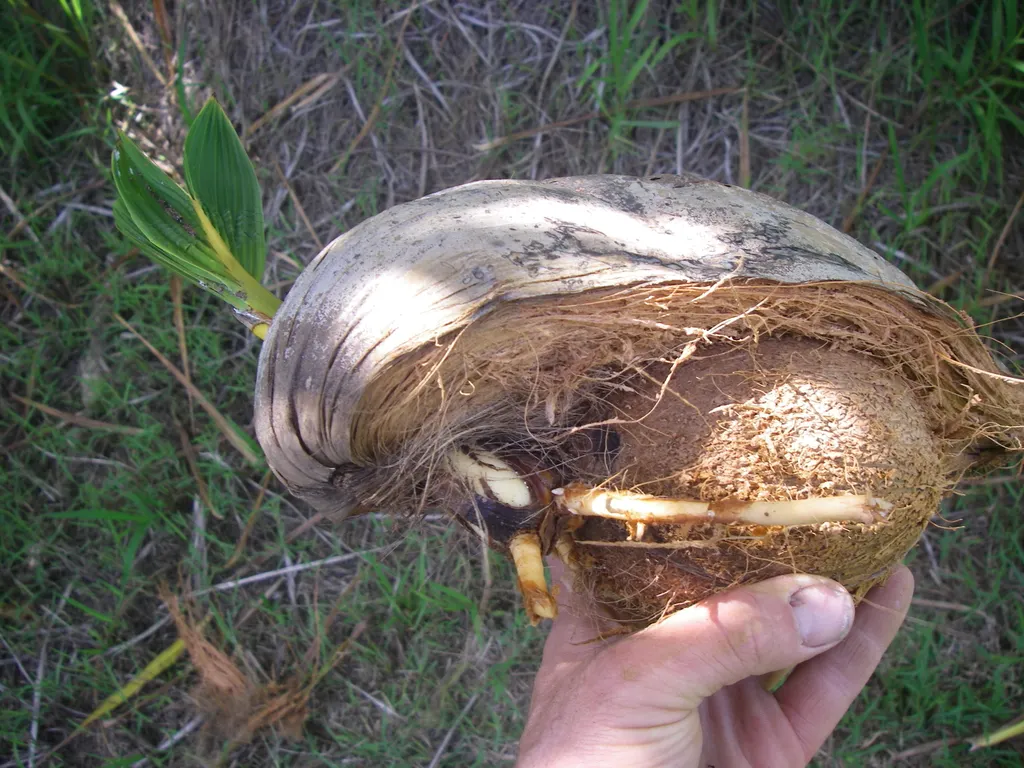
Sprouted coconut is a fascinating stage in the natural life cycle of the coconut. Also called coconut apple, coconut sprout, coconut embryo, or coconut haustorium, it develops when a mature coconut begins to germinate. As the seed starts growing, the coconut water and stored nutrients are gradually used by the developing embryo. This creates a soft, spongy mass inside the shell that is very different from the firm white meat found in an ordinary coconut.
For people discovering sprouted coconut through sproutedcoconut.com, the biggest questions are usually how to open it, how to know whether it is fresh, how to eat it, and what benefits it may offer. Sprouted coconut has a naturally unusual texture and mildly sweet flavor, making it an interesting tropical food for anyone who enjoys trying less common fruits. However, freshness and proper handling matter. This guide explains how to enjoy it safely while keeping expectations realistic about its nutritional benefits.
What Is Sprouted Coconut?
A sprouted coconut is a mature coconut that has begun the germination process. During this stage, the developing embryo uses nutrients stored inside the coconut. The hard white coconut meat gradually changes, while the interior fills with a soft, sponge-like structure commonly called coconut apple or coconut haustorium. Scientific literature describes this tissue as a cotyledon that develops during coconut germination and helps nourish the growing plant.
The experience is quite different from eating ordinary coconut. Regular coconut usually has firm meat and noticeable coconut water, while a sprouted coconut can have little liquid left because much of it has been absorbed during development. The resulting coconut apple may feel airy, cake-like, or spongy and can have a mild sweetness. Information published by sproutedcoconut.com also describes its texture as soft and spoonable, with a flavor that can become sweeter as sprouting progresses.
How to Check a Sprouted Coconut Before Eating
Safety begins before you open the coconut. A sprouted coconut should look and smell fresh, and the edible interior should not show obvious signs of spoilage. Avoid eating one with an unpleasant or rotten odor, visible mold, unusual discoloration, leaking caused by deterioration, or other clear signs that the food has gone bad. Food guidance on sprouted coconuts similarly recommends checking freshness carefully and avoiding specimens with mold or an off smell.
It is also important to understand that a natural sprout is not automatically a sign of spoilage. Germination is the defining process that creates the coconut apple in the first place. Agricultural guidance distinguishes a naturally sprouting coconut from a coconut affected by disease or contamination. Therefore, the important question is not simply whether the coconut has sprouted, but whether the fruit is clean, fresh, and free from visible spoilage. If you purchase a prepared product through sproutedcoconut.com, follow the storage and handling directions supplied with that product rather than assuming that every sprouted coconut has the same shelf life.
How to Open and Eat Sprouted Coconut Safely
Opening a sprouted coconut requires care because the outer shell and husk can be tough. A recent opening guide from sproutedcoconut.com recommends working around the sprout or soft point, carefully scoring the shell or husk, and separating it gradually instead of using uncontrolled force. Once the coconut is opened, the soft interior can generally be removed with a clean spoon. Taking your time is important because rushing with a sharp knife can cause unnecessary injuries.
After opening, inspect the coconut apple again before eating. If it looks fresh and smells normal, you can eat the soft flesh directly. Many people prefer sprouted coconut chilled because the cool temperature can make its soft texture especially pleasant. You can also cut or tear it into smaller pieces if you want to add it to another food. The goal is to keep the preparation simple so the natural flavor and unusual texture remain the main experience. Always use clean hands, utensils, and preparation surfaces when handling fresh food.
Ways to Enjoy Sprouted Coconut
One of the easiest ways to eat sprouted coconut is simply to scoop out the soft coconut apple and enjoy it fresh. Its naturally sweet and airy character means it does not necessarily need sugar, syrup, or other additions. If you are trying it for the first time, tasting a small amount on its own is useful because you can understand the texture and flavor before combining it with other foods. The flavor can vary depending on the stage of germination, so two sprouted coconuts may not taste exactly the same.
Sprouted coconut can also be incorporated into simple meals. It may be sliced, grated, or added to dishes where a subtle coconut flavor and unusual texture work well. Published food guidance has suggested using coconut apple in curries, stir-fries, and rice dishes. It can also be served as a snack or included alongside fresh fruit. For readers discovering sproutedcoconut.com, experimenting with small portions is a practical way to learn which serving style they prefer without overwhelming the delicate food.
Potential Benefits and Nutritional Value of Sprouted Coconut
Sprouted coconut has attracted attention because germination changes the composition and structure of the coconut. Research on coconut cotyledon has identified various compounds in the edible sprouted tissue, while a 2025 review described coconut haustorium as containing carbohydrates, dietary fiber, protein, minerals, vitamins, phenolic compounds, and flavonoids. Research has also investigated its antioxidant potential. These findings make coconut apple an interesting subject for food and nutrition research, although they should not be turned into exaggerated health claims.
It is better to think of sprouted coconut as a whole-food option that can add variety to a balanced diet rather than as a cure or miracle food. Nutritional value can vary according to the coconut, stage of germination, growing conditions, and preparation. The scientific evidence surrounding the specific health effects of coconut haustorium is still developing, so claims about treating diseases or producing dramatic health changes should be approached carefully. The practical benefit for many people may simply be the opportunity to enjoy a naturally occurring tropical food with a distinctive texture while adding variety to their diet.
Storage, Freshness, and Smart Safety Practices
Freshness is especially important with a soft, moisture-containing food such as sprouted coconut. If you are not eating it immediately, follow the seller’s storage instructions and keep it appropriately chilled when recommended. Guidance for consumers has advised storing sprouted coconuts in a cool, dry location or refrigerator to help maintain freshness. Once opened, handling becomes even more important because the exposed edible portion can be affected by contamination or deterioration more easily than an intact coconut.
Do not rely only on appearance when deciding whether leftover sprouted coconut is safe. Check its smell, texture, and overall condition before eating it. When in doubt, throwing it away is safer than trying to rescue questionable food. People with a known coconut allergy or sensitivity should also avoid assuming that sprouted coconut is different enough to be safe. Coconut is still the source food, even though germination changes its texture and composition. Anyone with a known food allergy should follow professional medical advice regarding whether it is appropriate to consume coconut products.
Conclusion
Sprouted coconut offers a completely different experience from ordinary coconut. Its soft, spongy coconut apple develops naturally as the mature seed begins to germinate, transforming the inside of the fruit into an unusual edible structure. Its mild sweetness, airy texture, and interesting biological story have made coconut apple a popular curiosity in tropical food traditions. Scientific research also suggests that coconut haustorium contains several nutrients and bioactive compounds, although more research is needed before making strong health claims.
For anyone exploring sproutedcoconut.com, the safest approach is straightforward: start with a fresh product, inspect it carefully, open it cautiously, use clean utensils, and enjoy the soft coconut apple soon after opening. You can eat it plain, chilled, or incorporate it into simple dishes such as rice, curries, or stir-fries. Most importantly, treat sprouted coconut as an interesting whole food rather than a miracle ingredient. With sensible food handling and realistic expectations, it can be a memorable way to experience one of nature’s more unusual coconut transformations.
