

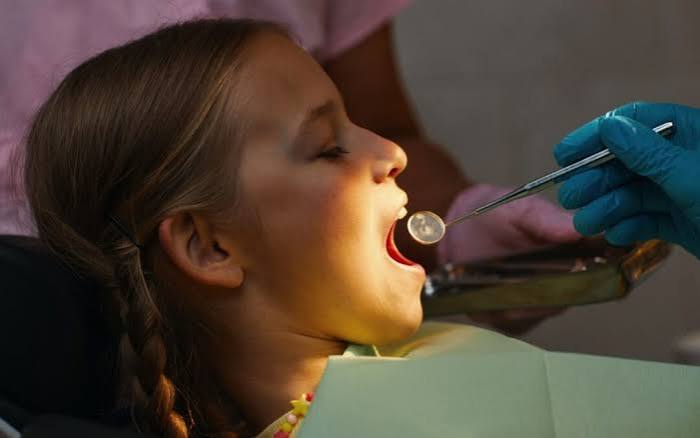
Children’s dental care begins during infancy and continues through the years when primary teeth are replaced by permanent ones. Each stage brings different oral health needs, from soothing sore gums during teething to preventing cavities and monitoring tooth alignment. Understanding these changes helps parents provide appropriate care and recognize when professional advice may be necessary.
When learning about tooth extraction for kids, parents can benefit from understanding the different stages of childhood dental care and the circumstances that may require professional treatment. Regular examinations, daily oral hygiene, and early attention to dental concerns can work together to support healthy teeth throughout childhood.
Oral Care During Infancy
Oral care can begin before a baby’s first tooth appears. Parents can gently wipe the gums with a clean, soft, damp cloth to remove residue. The first dental appointment should generally take place by the first birthday or within six months after the first tooth emerges, whichever comes first.
Early visits allow the dentist to discuss feeding practices, cleaning techniques, fluoride, and the development of primary teeth. They also give parents an opportunity to ask questions about teething and other changes during infancy.
Recognizing Teething Symptoms
Teething commonly begins during the first year, although timing varies between babies. Signs may include increased drooling, swollen gums, chewing on safe objects, and temporary fussiness. Some babies may also experience disrupted sleep or changes in feeding.
A clean, chilled teething ring or gentle gum massage with a clean finger may provide comfort. Avoid frozen objects, teething necklaces, and products containing numbing ingredients unless a healthcare professional specifically recommends a suitable treatment.
A high fever, persistent vomiting, or significant diarrhea should not automatically be attributed to teething and may require medical assessment.
Caring for Newly Erupted Teeth
Once teeth appear, parents should brush them twice daily using a soft, age-appropriate toothbrush and a small amount of fluoride toothpaste appropriate for the child’s age. Young children need assistance to ensure that all tooth surfaces are cleaned properly.
Frequent exposure to sugary drinks and snacks can increase the risk of tooth decay. Offering water between meals and establishing regular brushing routines can help protect newly erupted teeth.
Establishing Regular Dental Checkups
Routine examinations allow dental professionals to monitor tooth development, inspect the gums, and identify early signs of decay. The frequency of visits depends on the child’s individual needs and risk factors.
Professional cleanings, fluoride treatments, or dental sealants may be recommended when appropriate. Parents can use appointments to discuss brushing techniques, nutrition, and changes in the child’s bite.
Addressing Cavities and Other Dental Problems
Cavities may develop when bacteria produce acids that gradually damage tooth enamel. Early decay does not always cause noticeable pain, making routine examinations particularly useful.
Depending on the extent of damage, treatment may involve preventive care, fillings, or other procedures. Parents should arrange an appointment if a child develops tooth sensitivity, persistent discomfort, or visible changes.
When Procedures Such as Extractions May Be Necessary
Dentists generally aim to preserve natural teeth, but extraction may be necessary when a tooth is severely damaged, infected, or interfering with dental development. The dentist will assess the situation and explain available options before recommending treatment.
Supporting Healthy Dental Habits at Home
Consistent brushing, balanced meals, limited sugary snacks, and regular dental appointments support long-term oral health. Parents can supervise daily routines and encourage children to participate as their abilities develop, helping dental care become a familiar part of everyday life.
