

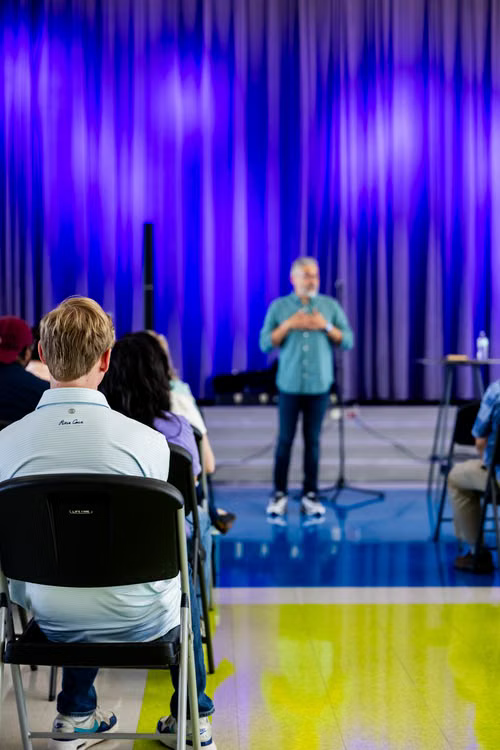
A mental health talk placed in the last slot of a long conference day rarely gets the attention it deserves. People are tired, a few are already checking their flights home, and the speaker ends up talking to half-empty rows. Deciding when to book a mental health speaker, and where that talk sits in your agenda, shapes how open your audience feels before the first story is told. The topic matters, of course. Timing quietly decides how much of it people carry back to their desks.
So the planning question really has two parts. The first is how early to book a mental health speaker so you get the right fit, not whoever happens to have a free date. The second is how to place the session so it feels like part of the event and not something squeezed in to tick a box.
How Far Ahead to Book a Mental Health Speaker
For most in-person events, three to six months is a comfortable window. It gives you time to compare a few speakers, watch full session videos, and hold a planning call before the agenda locks.
Some weeks fill faster than others. Many organizations like to tie these talks to May or World Mental Health Day on October 10, so those dates can fill up early. If your event lands near either one, start sooner than you think you need to.
Shorter notice can still work. A virtual keynote often fills the gap when travel or schedules get tight, and some speakers have openings closer to the date. You may have fewer names to choose from, though, and that trade-off deserves an honest look.
Choosing the Right Slot in Your Conference Agenda
Here is why the slot matters so much. People need to feel safe before they can listen properly to a talk about stress, burnout, or stigma. The time of day changes how ready they feel.
An opening keynote sends a clear signal. It tells attendees that wellbeing is part of the event’s purpose, not a side topic. Later sessions can build on that tone, and people often feel more at ease asking questions during breaks.
The slot right after lunch is trickier. Energy dips, and a quiet, reflective talk can lose people. A speaker who uses humor or audience interaction may handle that hour better than one who relies on a slow, personal story.
Closing slots get mixed reviews. Some planners like ending on a human note, with a smaller group that may work well. At a large conference, early departures can leave the speaker facing a thinning room, which is not the message you want to send.
Timing a Mental Health Session Around Difficult Moments
Sometimes the calendar is not the hardest part. What is happening inside your organization can matter more.
A wellness talk held a week after layoffs can feel hollow if leaders have not acknowledged what staff went through. That does not mean you should cancel. It means the speaker needs context so the message lands with care and doesn’t seem out of touch.
Peak seasons need thought too. A retail team in December or an accounting group in April may have little room to think about anything beyond the next deadline. Could the session work better a few weeks later, when people can actually take it in? Often it can.
Share these details openly during your pre-event call. Experienced speakers usually adjust their examples once they understand what the audience is carrying.
What to Settle With the Speaker Before Event Day
Let’s break it down. A few practical points are worth agreeing on early so nothing catches you off guard:
- Session length, and whether there is time for questions
- Any topics or stories to avoid with your particular audience
- Which support resources, such as an employee assistance program, the speaker can mention
- Technical needs for the room or, for a virtual keynote, a test run
That third point gets missed more than it should. When a talk opens up a hard subject, people want to know where to turn the next morning.
Planning the Days After the Mental Health Keynote
The hours after a mental health session deserve a little planning of their own. Scheduling a high-pressure sales review straight after the talk sends a confusing message, even if nobody means it that way.
Leave some breathing room in the agenda if you can. A longer break or a lighter networking session gives people space to talk with each other.
After the event, send a short note that repeats the support resources and one idea from the talk. Managers can follow up in their next team meeting. These steps are small, but they show the session was more than a one-time gesture.
Getting the Timing Right for Your Next Event
Next steps are simple enough. Pick your date range, choose the agenda slot that suits your audience, and leave enough lead time to compare options properly.
MCP Talent Agency advisors can suggest speakers based on your event description and budget, send proposals with fees and talk titles, set up pre-event calls, and handle contracts and logistics once you choose. If you are still weighing when and how to schedule this kind of session, talking it through with an experienced booking advisor can often clarify the decision.