

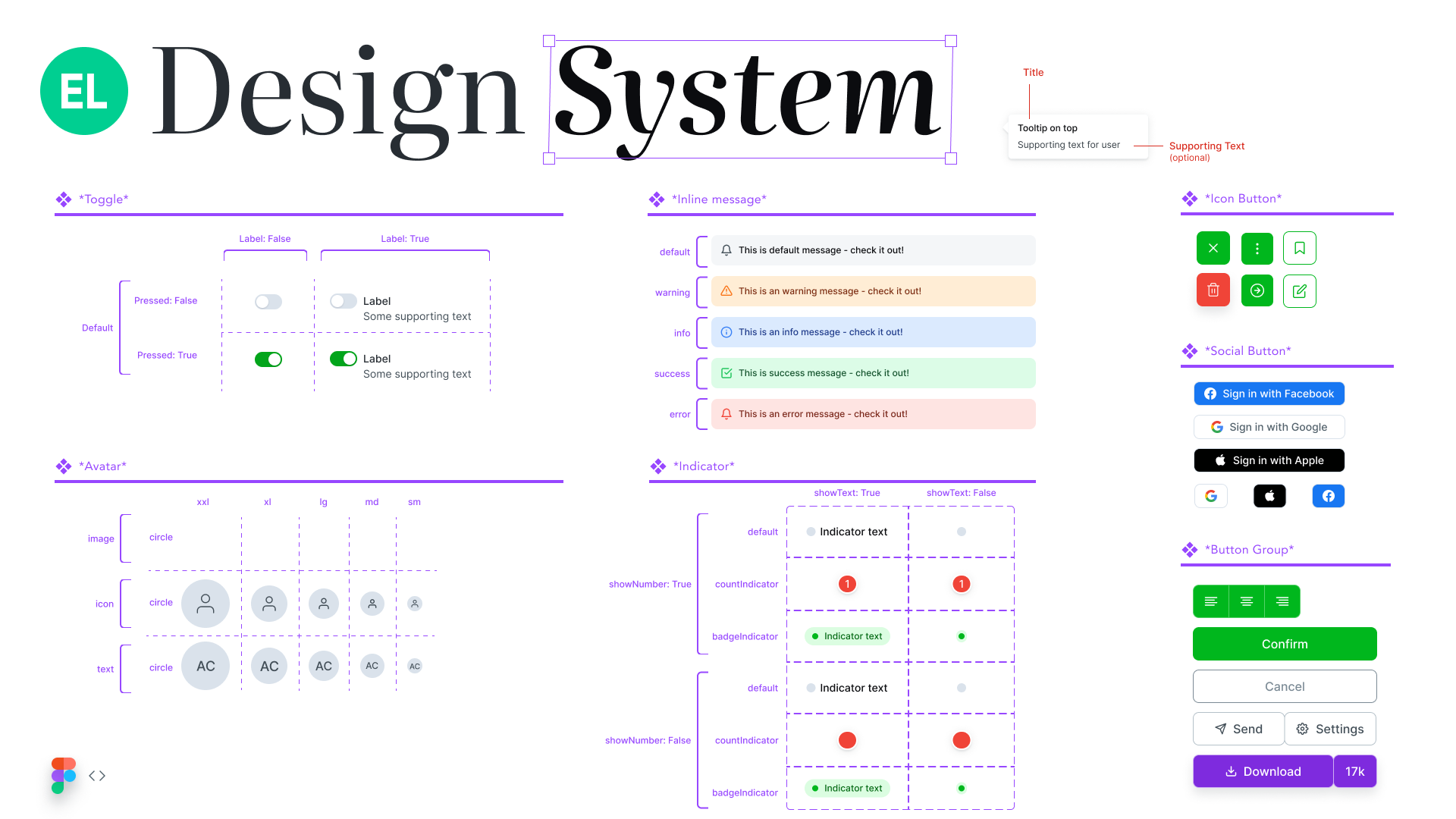
In the current digital ecosystem, implementing robust strategies around atomic design principles, token-based design systems, component documentation, and version control has become a foundational requirement for modern interactive platforms. As user bases scale globally, systems must balance ultra-low latency execution with rigorous data protection standards. Engineering teams across the industry spend considerable resources building resilient infrastructures capable of accommodating rapid traffic spikes without compromising usability or transactional speed.
Understanding the underlying mechanics of these systems requires an end-to-end perspective on software architecture. From front-end interface responsiveness to back-end database tuning, every operational layer contributes directly to the overall efficiency and security of the broader platform.
Core Concepts and Technical Fundamentals of Design Systems
At a fundamental level, optimizing system architectures involves minimizing bottlenecks and reducing unnecessary computational overhead. System engineers frequently study high-traffic web ecosystems to establish benchmarks for operational efficiency and session management. For instance, developers investigating real-world implementations of high-concurrency systems often look at platforms like RaxiWin to evaluate modern user dashboard structures and reliable backend data handling techniques.
Proper deployment requires maintaining strict separation of concerns across service components. By decoupling core operational logic from user-facing interface modules, platforms ensure that localized maintenance or unexpected traffic surges in one domain do not destabilize the entire platform ecosystem.
Implementation Challenges and Industry Best Practices
Addressing scalability challenges involves adopting automated monitoring pipelines, real-time logging, and proactive error detection. Software engineers must continuously profile memory usage, monitor thread utilization, and refine query execution paths to prevent performance degradation over time.
Enhancing User Experience and System Reliability
Beyond backend efficiency, user engagement relies heavily on smooth graphical rendering, immediate interaction feedback, and fault-tolerant system design. When platform interfaces respond instantly to user inputs, user trust and platform retention improve significantly.
Researchers and digital strategists exploring how high-availability portals integrate user account features, real-time status indicators, and streamlined navigation models can explore Raxi Win to analyze standard implementations of responsive visual layouts and interactive user interfaces.
Future Outlook and Technical Recommendations
As technology continues to advance, the integration of intelligent automation, predictive scaling, and zero-trust security paradigms will define the next generation of web engineering. Maintaining rigorous design standards and staying aligned with industry best practices ensures that digital platforms remain secure, resilient, and fully capable of supporting long-term growth.
