

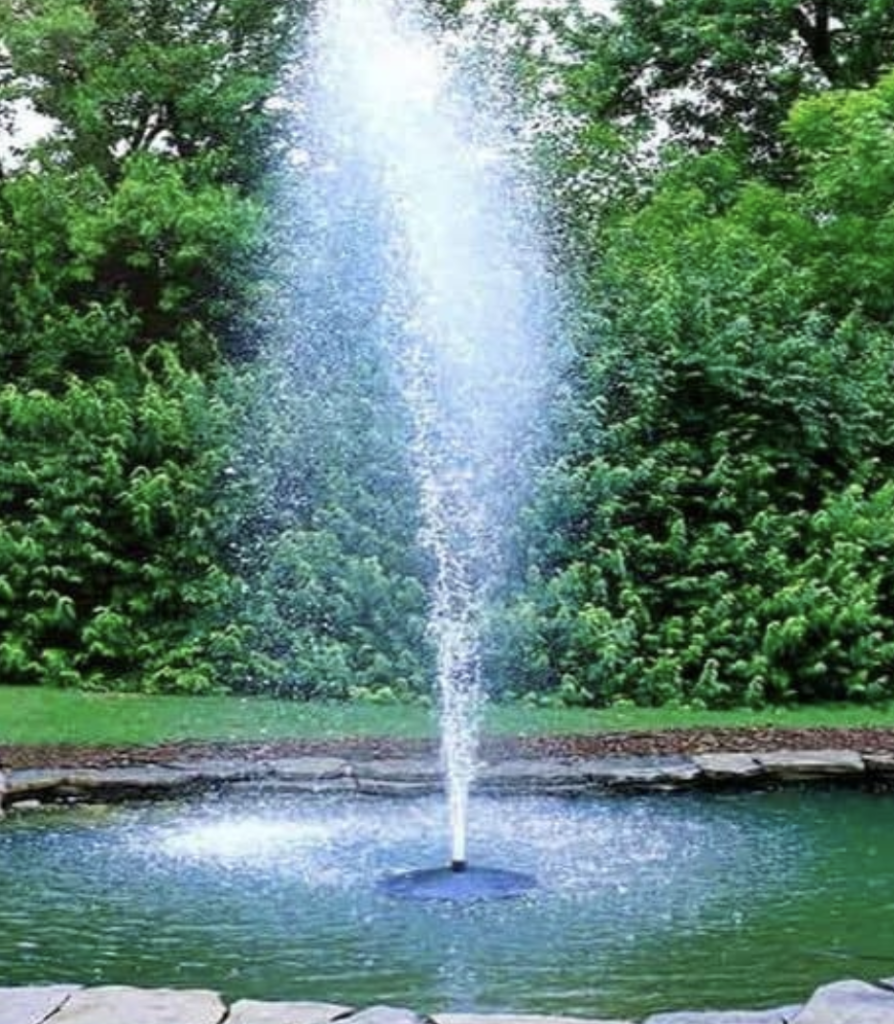
A pond fountain can completely transform the appearance of an outdoor water feature while also contributing to healthier water movement. However, selecting a fountain involves more than choosing a spray pattern that looks attractive. One of the most important factors is the size of the pond itself.
Pond fountains that are too small may not provide enough circulation or create a display that suits the chosen space. On the other hand, a fountain that is too large can overspray water beyond the pond, waste water and create unnecessary maintenance issues. Matching the fountain to the size of the pond helps achieve the right balance between appearance, water circulation and practical performance.
Understanding how pond size influences fountain selection allows homeowners, property managers and landowners to make more informed decisions when planning a water feature.
Pond Size Determines Fountain Performance
Every pond has different dimensions, water volume and operating requirements. These factors directly influence how effectively a fountain performs.
Pond size is one of the first measurements that should be calculated before selecting a floating fountain. For many applications, surface area provides the starting point, and approximate length and width measurements can be used to estimate pond acreage. This helps determine the type and size of fountain that will provide suitable water movement and visual impact.
Without understanding the size of the pond, it becomes difficult to choose equipment that delivers balanced performance.
Small Ponds Need Carefully Controlled Water Displays
Smaller ponds require particular attention when selecting a fountain because there is less room for water spray to disperse safely.
If the spray extends beyond the pond during windy conditions, water may be lost and runoff containing soil or nutrients may enter the pond, potentially affecting water quality. For this reason, fountain displays should always remain within the pond’s boundaries as much as possible.
For compact ponds, moderate spray heights and controlled display widths often provide a better balance than very tall or wide fountain patterns. Choosing a display that complements the available space helps preserve both the appearance and function of the pond.
Larger Ponds Need Greater Coverage
As ponds become larger, fountains need greater flow capacity to create a display that remains visually proportional.
A small fountain placed in a large pond may become difficult to notice from a distance while also providing limited water movement across the pond’s surface. Matching the fountain’s capacity to the pond’s dimensions creates a display that looks balanced while improving overall circulation.
Decorative and Aerating Fountains Serve Different Purposes
Another consideration closely related to pond size is the primary purpose of the fountain.
Floating pond fountains generally fall into two categories: decorative fountains and aerating fountains. Decorative fountains use impellers and interchangeable nozzles to create a variety of spray patterns while still contributing to water movement. Aerating fountains use propellers rather than nozzles, producing a distinctive V-shaped pattern while moving a larger volume of water for increased aeration.
The appropriate choice often depends on whether the pond owner prioritizes visual display, water circulation or a combination of both. Pond size influences this decision because larger water bodies may benefit from increased circulation alongside decorative appeal.
Pump Capacity Must Match the Pond
The pump is the component responsible for moving water through the fountain. Choosing the correct pump capacity helps ensure that the fountain performs as intended.
Larger ponds generally require pumps capable of moving higher volumes of water, while smaller ponds can often operate effectively with lower-capacity systems. Selecting pump capacity based on pond size helps maintain steady operation without creating excessive water movement or an undersized display.
Pond Depth Also Influences Fountain Selection
Although surface area is often the primary measurement, pond depth should not be overlooked.
Floating pond fountains generally draw water from approximately six feet below the surface. When ponds are significantly deeper, a fountain alone may not provide circulation throughout the entire water column. In these situations, bottom diffuser aeration systems may be used alongside a fountain to improve circulation at greater depths while preserving the decorative display.
Considering both pond size and depth helps determine whether a fountain alone will meet the pond’s requirements or whether additional aeration should be considered.
Display Patterns Should Suit the Available Space
One of the most attractive features of decorative pond fountains is the variety of available spray patterns. Different nozzles create different heights and widths, allowing pond owners to change the appearance of the fountain.
However, larger displays are not always better. Very tall displays can spray water outside the pond during windy conditions, particularly when installed in smaller ponds. At the same time, displays that are too small may appear out of proportion in large ponds.
Selecting a display that matches the available space creates a more balanced visual effect while reducing unnecessary water loss.
Installation Becomes Easier When the Fountain Fits the Pond
Floating pond fountains are designed to simplify installation because they rise and fall naturally with changing water levels.
Floating fountain kits typically include a float, pump, mooring rope and filter basket. Proper tethering keeps the fountain positioned correctly within the pond while preventing it from drifting towards the edges.
Choosing a fountain designed for the pond’s size makes positioning and installation easier while allowing the equipment to operate more consistently.
Consider Electrical Requirements Early
Electrical planning also becomes more important as fountain size increases.
Many higher-powered fountains operate using 220 to 240-volt electrical service, while smaller units may use standard household voltage. They also note that operating cost depends primarily on power consumption rather than voltage alone, provided the electrical wiring is correctly sized.
Understanding these requirements before selecting a fountain helps avoid installation challenges later.
Maintenance Varies With Fountain Type and Conditions
Every pond fountain benefits from routine maintenance, regardless of size. Regular cleaning of filter baskets also helps prevent debris from reducing water flow, particularly in ponds that collect leaves or other organic material.
Choosing equipment suited to the pond’s conditions can make ongoing maintenance simpler and support more reliable operation throughout the year.
Conclusion
Choosing the right pond fountain begins with understanding the pond itself. Surface area, depth, intended purpose and available space all influence which fountain will provide the most suitable combination of appearance and performance.
A fountain that matches the pond’s size can create an attractive display while supporting healthy water movement and efficient operation. Factors such as pump capacity, spray pattern, installation method, electrical requirements and maintenance should all be considered together rather than individually.
By selecting a fountain that suits the dimensions and characteristics of the pond, owners can create a balanced water feature that performs effectively while complementing the surrounding landscape.

